
When Anxiety Feels Too Much: How to Cope Step by Step
Anxiety can be difficult to explain to people who have not felt it in their body. From the outside, it may look like overthinking, irritability, restlessness, avoidance, or simply being “stressed.” But from the inside, anxiety can feel much bigger than that. It can feel like your mind will not switch off, your body cannot settle, and even ordinary tasks take more energy than they should.
For some people, anxiety is constant background tension. For others, it arrives in waves: before a conversation, at night, in crowds, during conflict, or for no clearly visible reason at all. The National Institute of Mental Health describes anxiety as more than temporary worry or fear, noting that anxiety symptoms can interfere with daily life, school, work, and relationships.
At The Mind Space Counselling, anxiety support is offered in Johannesburg and online across South Africa, with current booking options shown for Parktown North/Parkhurst, Douglasdale/Fourways, and online sessions.
How do you know when anxiety is more than everyday stress?

This is one of the most common questions people ask, and it matters because anxiety is often minimised. Stress is usually connected to a specific pressure, such as a deadline, life transition, exam, or conflict. Anxiety can include stress, but it often continues even when the immediate pressure is unclear or has passed.
NIMH explains that anxiety can involve persistent fear, dread, or uneasiness that disrupts how you live your life.
That may look like:
racing thoughts that will not settle
constant “what if” thinking
difficulty sleeping because your mind feels switched on
physical symptoms like chest tightness, nausea, or shortness of breath
avoiding certain situations, people, or responsibilities
feeling disconnected from yourself because you are always bracing for something
The important question is not whether your anxiety looks dramatic enough from the outside. It is whether it is making life feel smaller, heavier, or harder to move through.
“For people with an anxiety disorder, the anxiety does not go away and can get worse over time.”
— National Institute of Mental Health
Why can anxiety feel so physical, even when the problem seems mental?
Many people assume anxiety is “just in the mind,” which can make them feel even more confused when their body reacts so strongly. But anxiety often involves both mind and body at the same time.
When you feel threatened, overwhelmed, or under pressure, your nervous system can shift into a survival response. That can create a racing heart, tense muscles, shallow breathing, restlessness, stomach discomfort, dizziness, or a sense that something bad is about to happen. The American Psychiatric Association notes that anxiety often includes physical tension and behavioural symptoms, not only worry.
This is one reason anxiety can feel so exhausting. You are not only “thinking too much.” You may also be carrying a body that feels constantly alert.
What actually helps when anxiety is rising in the moment?

When anxiety feels intense, most people are not looking for theory. They want to know what genuinely helps when their system is activated.
Counselling often focuses on practical coping tools that make anxiety feel more manageable in real time. At The Mind Space, this kind of support may include techniques such as grounding, breathwork, reflection, and understanding the patterns underneath your anxiety.
Some of the most helpful step-by-step tools include:
1. Naming what is happening
Sometimes the first shift is simply recognising, “This is anxiety. My body is activated.” Naming the experience can reduce the fear that something is completely out of control.
2. Slowing the body before arguing with the thought
When anxiety is high, trying to “logic” yourself out of it is not always the first step. It can help more to slow your breathing, release tension in your shoulders or jaw, and bring your attention back into the room.
The APA notes that mindful meditation can reduce stress and anxiety, even in the short term.
3. Grounding in the present
Grounding techniques can help when your mind is racing into the future or spiralling through fear. A counsellor may guide you to notice what you can see, hear, feel, and physically orient to in the room, rather than staying inside the anxious loop.
4. Challenging the pattern gently
Once your nervous system has settled a little, it can be easier to notice the thought pattern driving the anxiety. Is your mind catastrophising? Filling in blanks? Treating uncertainty as danger? Counselling can help you spot those patterns without shaming yourself for having them.
5. Using routines that support your nervous system
Sleep, movement, nourishment, rest, and reduced overload all matter. Anxiety often feels worse when your system is already depleted.
“A strong body of research shows that mindful meditation can reduce psychological stress and anxiety.”
— American Psychological Association
Why does anxiety often lead to avoidance, overthinking, or feeling stuck?
This is another question people search for often, because anxiety rarely stays in one lane. It shapes behaviour.
Some people cope by avoiding what makes them anxious. Others overprepare, overthink, or try to control every outcome. Some become hyper-independent. Others seek constant reassurance. These strategies often make sense in the moment because they reduce discomfort temporarily. But over time, they can make anxiety feel bigger and life feel narrower.
Research summaries have linked unhelpful coping styles such as avoidance, rumination, and self-blame with higher anxiety and distress.
That is one reason counselling can be so helpful. It is not only about calming anxiety after it appears. It is also about understanding the pattern that keeps feeding it.
How can counselling help when anxiety keeps coming back?

Counselling provides more than a place to vent. It creates a space to understand why anxiety is showing up the way it is, what keeps it going, and what support may help you respond differently.
The APA says behavioural treatment, either alone or alongside medication, is highly effective for many people with anxiety disorders.
At The Mind Space, anxiety counselling may help you:
talk through your worries in a calm, confidential space
understand how your history and current stress interact
identify triggers and early warning signs
learn coping skills that fit your life
reduce self-blame around your reactions
feel less alone in what you are carrying
For some people, counselling is about crisis support. For others, it is about finally understanding a long-standing pattern that has been quietly shaping daily life for years.
“Research shows behavioral treatment, alone or in combination with medication, is a highly effective treatment for most people with an anxiety disorder.”
— American Psychological Association
When is anxiety counselling worth considering?
People often wait until they are completely overwhelmed before reaching out, but counselling can help long before things hit breaking point.
It may be time to consider anxiety counselling if:
your mind feels hard to switch off most days
anxiety is affecting work, studies, or relationships
you are avoiding things that matter to you
you often feel on edge, panicked, or emotionally exhausted
reassurance only helps briefly
you feel stuck in cycles of overthinking, shutdown, or fear
You do not need a formal diagnosis before seeking support. If anxiety is affecting your quality of life, that is enough reason to talk to someone.
Can online anxiety counselling really help?

Yes. For many people, online counselling makes support feel more accessible and more sustainable. The Mind Space already positions online counselling as a core part of its offering, alongside in-person sessions in Johannesburg.
Online counselling can be especially helpful if you:
have a busy schedule
live outside central Johannesburg
feel more comfortable speaking from home
want to reduce travel time and logistical stress
need support that fits around work, study, or family life
For many clients, the familiarity of home can actually make it easier to open up, especially when anxiety already makes new spaces feel overwhelming.
Is anxiety counselling available in Parkhurst, Fourways, and online across South Africa?
Yes. The Mind Space homepage currently shows booking options for Parktown North/Parkhurst, Douglasdale/Fourways, and online sessions. That means clients can access support in the format that works best for them: in person in Johannesburg or online anywhere in South Africa.
This kind of flexibility matters because anxiety often makes even simple logistics feel heavier. Easier access can make it more possible to begin.
Frequently Asked Questions

Do I need a diagnosis to seek counselling for anxiety?
No. If anxiety is affecting your daily life, counselling can help. Support does not have to begin only after a formal diagnosis.
Can counselling help if I mostly experience physical symptoms?
Yes. Anxiety is often physical as well as mental. Counselling can help you understand those body-based responses and learn ways to regulate them.
Is online counselling effective for anxiety?
For many people, yes. Online support can be a practical and meaningful option, especially when accessibility and consistency matter. The Mind Space offers online counselling across South Africa.
Can counselling replace medication?
Sometimes counselling is enough on its own, and sometimes it works alongside medical support. The right approach depends on your needs, symptoms, and preferences. APA guidance notes that behavioural treatment may be used alone or with medication.
How many anxiety counselling sessions will I need?
It depends. Some people benefit from a few focused sessions, while others prefer longer-term support. The pace should fit your needs, not a rigid formula.
Key Takeaways
Anxiety is more than temporary stress; it can affect the body, mind, relationships, and daily functioning.
Practical coping tools such as grounding, breathwork, and identifying thought patterns can make anxiety feel more manageable.
Counselling can help you understand triggers, reduce overwhelm, and respond to anxiety with more clarity and support.
The Mind Space offers anxiety counselling in Parkhurst/Parktown North, Fourways/Douglasdale, and online across South Africa.
Take a Step Toward Calm
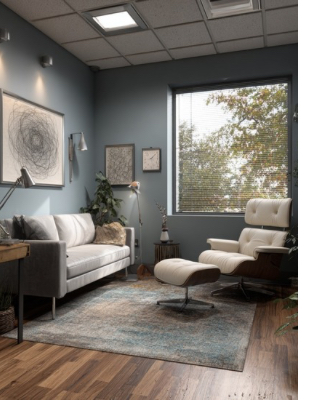
If anxiety has been making life feel smaller, heavier, or harder to navigate, support is available. At The Mind Space Counselling, we offer a warm, non-judgemental space to understand what anxiety is doing in your life and build practical ways to cope.
📍 In-person sessions available in Parkhurst in Parktown North, Johannesburg
📍 In-person sessions available in Douglasdale in Fourways, Johannesburg
🌐 Online counselling available across South Africa
👉 Find out more or book a session via the Services page.
👉 You can also reach out directly via WhatsApp for a confidential conversation.


