
Still Feeling the Impact of Trauma? How Counselling Can Help You Heal
Trauma is not always obvious from the outside. Sometimes it looks like anxiety, irritability, emotional numbness, people-pleasing, shutdown, overwhelm, difficulty trusting, or the constant sense that your body never fully relaxes. Sometimes it shows up in relationships. Sometimes it shows up in sleep, concentration, or the feeling that small things hit you harder than they “should.”
That is part of what makes trauma so confusing. You may know that something difficult happened, but still wonder why it feels so present. Or you may not even think of your experience as trauma, and only notice that your body feels tense, your emotions feel unpredictable, or your reactions feel bigger than the moment.
At The Mind Space Counselling, trauma counselling offers a calm, compassionate space to make sense of these patterns. The Mind Space offers counselling in Johannesburg, including Parkhurst and Fourways, as well as online across South Africa. Its website also positions online support as part of its core counselling offering.
Why can trauma still affect you when the event is over?
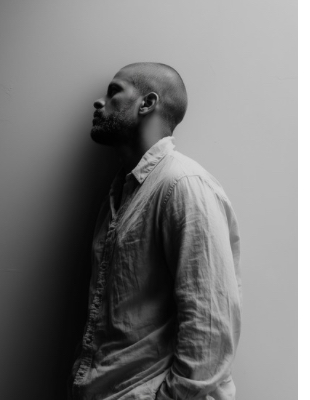
One of the hardest parts of trauma is that the nervous system may continue responding as if the threat is still present. This is why people often say things like, “I know I’m safe, but my body doesn’t seem to know that.”
SAMHSA explains trauma as an event, series of events, or circumstances that are experienced as physically or emotionally harmful or life-threatening and that can have lasting adverse effects on a person’s functioning and wellbeing.
That helps explain why trauma can continue to shape:
how safe you feel in your body
how quickly you become overwhelmed
how you respond to conflict
how easily you trust others
how your mind and body react to reminders
This is one reason trauma counselling can feel so different from simply being told to “move on.” The goal is not to force yourself past something your system is still trying to understand. The goal is to build enough safety, awareness, and support for healing to become possible.
“Only making it safe for trauma victims to inhabit their bodies, and to tolerate feeling what they feel, and knowing what they know, can lead to lasting healing.”
— Dr. Bessel van der Kolk
What are the signs that trauma may still be shaping daily life?
People often expect trauma to look dramatic. In reality, it can be much quieter and more hidden than that. The effects of trauma may show up as:
feeling constantly on edge
overreacting and then feeling confused or ashamed
avoiding certain people, places, or conversations
difficulty sleeping or switching off
feeling emotionally flat or disconnected
struggling with trust, closeness, or boundaries
going into fight, flight, freeze, or shutdown quickly
Psychologists note that trauma can affect both emotional and physical stress responses, which is why people may feel its effects in their body, relationships, and day-to-day functioning long after the original event.
What matters here is not whether your trauma “counts enough.” What matters is whether your experience is still affecting your life.
How can counselling help when trauma shows up as anxiety, shutdown, or emotional overwhelm?
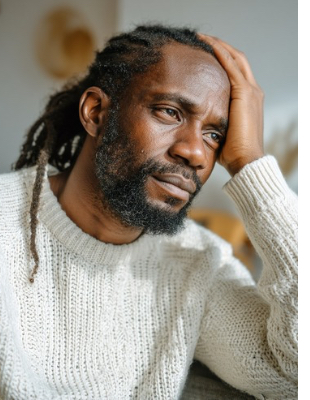
Many people do not come to counselling saying, “I need trauma support.” They come in saying:
“I’m exhausted all the time.”
“I get triggered so easily.”
“I shut down in conflict.”
“I don’t understand why I feel numb.”
“I can’t relax.”
That is where counselling can help. A good trauma-informed counselling space does not rush you into retelling everything before you are ready. Instead, it helps you understand your reactions, increase emotional safety, and build tools to feel more grounded in the present.
The Mind Space’s services describe trauma counselling as support for processing overwhelming experiences, managing trauma-related symptoms, and moving toward healing in a safe environment.
That may include support with:
understanding trauma responses
recognising triggers earlier
calming the body during overwhelm
reducing shame around your reactions
rebuilding emotional safety
learning healthier ways to cope with reminders and stress
“The core experiences of psychological trauma are disempowerment and disconnection from others. Recovery, therefore, is based upon the empowerment of the survivor and the creation of new connections.”
— Dr. Judith Herman
That quote matters because it captures something people often miss: trauma is not only about what happened. It is also about what it did to your sense of power, connection, and safety. Counselling helps restore those things gradually.
Why do triggers feel so sudden and intense?
Triggers can feel frustrating because they often arrive before you have time to think. A tone of voice, a conflict, a memory, a smell, a place, or even a particular kind of silence can create a reaction that feels immediate and disproportionate.
That is not because you are weak or overreacting for no reason. Often, your nervous system is responding to something it has learned to associate with danger, vulnerability, or helplessness.
This is also why trauma counselling usually focuses on more than the story of what happened. It pays attention to what happens in your body, what thoughts race through your mind, and what emotional or behavioural pattern follows next.
What happens during trauma counselling?

This is one of the questions people ask most, especially if they are nervous that counselling will mean being pushed to talk before they feel ready.
Trauma counselling should not feel like being forced open. In many cases, the early work is less about retelling every detail and more about building safety, understanding patterns, and helping your body and mind feel less under siege.
Sessions may involve:
identifying what feels most difficult right now
understanding how trauma shows up in your body and behaviour
noticing triggers and early warning signs
developing grounding and regulation tools
exploring relationship patterns linked to trauma
gently making sense of the impact of the past on the present
That same principle applies beyond one type of trauma. Counselling helps connect the dots between what you have lived through and what you are still carrying.
“Talk therapy can be incredibly helpful for those who have experienced sexual trauma. It can help people make sense of their histories and current symptoms.”
— Dr. Shweta Kapoor, Mayo Clinic psychiatrist
Can counselling help if you do not remember everything clearly?
Yes. Trauma does not always come back as a neat, coherent narrative. For many people, it shows up as body memories, emotional reactions, fragmented recall, or a strong sense that something is wrong without a full story attached to it.
That does not make your experience less real. It simply means trauma may be stored and expressed in ways that are not purely verbal.
Counselling can still help by focusing on what is happening now: your reactions, your patterns, your triggers, your emotional state, and what helps you feel safer and more regulated in the present.
How can trauma counselling help with relationships?

Trauma often affects relationships in subtle but painful ways. You may struggle to trust, fear abandonment, over-accommodate others, shut down in conflict, become highly reactive, or feel unsafe with closeness even when you want connection.
This is why trauma counselling is not only about symptom relief. It is also about relationship repair, boundary awareness, and learning what safety looks like in connection with other people.
“Recovery can take place only within the context of relationships; it cannot occur in isolation.”
— Dr. Judith Herman
In counselling, this may mean exploring:
conflict patterns
attachment wounds
fear of vulnerability
people-pleasing or hyper-independence
emotional withdrawal
rebuilding trust in yourself and others
For many people, one of the deepest parts of healing is not simply feeling calmer. It is feeling more able to be present, open, and connected without constantly bracing for harm.
Is online trauma counselling a good option?
For many people, yes. Online counselling can make support more accessible, especially when trauma symptoms make travel, unfamiliar environments, or extra planning feel like too much.
The Mind Space offers online counselling across South Africa, which can make it easier to get consistent support from a space that already feels familiar.
Online trauma counselling may be especially helpful if you:
feel safer starting from home
live outside Johannesburg
have limited time or energy
want flexible access to support
feel overwhelmed by the logistics of in-person appointments
What matters most is that the counselling space feels safe, respectful, and paced appropriately for you.
Is trauma counselling available in Parkhurst, Fourways, and online across South Africa?

Yes. The Mind Space offers in-person counselling in Johannesburg, including Parkhurst and Fourways, as well as online counselling across South Africa. Its website also highlights accessible support for a range of emotional challenges, including trauma-related concerns.
That means you can access support in the way that feels most manageable:
in-person counselling in Parkhurst
in-person counselling in Fourways
online counselling anywhere in South Africa
Frequently Asked Questions
Can counselling help even if the trauma happened a long time ago?
Yes. Trauma can remain active long after an event has ended, especially if it was never fully processed or if current stress has started reactivating old patterns. Trauma effects can be long-lasting, which is why delayed support can still be meaningful.
Do I have to talk about every detail in trauma counselling?
No. Good trauma-informed counselling should move at a pace that feels safe. Early work often focuses on safety, grounding, and understanding your current reactions rather than rushing into details.
What if I feel numb rather than emotional?
That can still be a trauma response. Emotional numbness, shutdown, and disconnection are common ways people protect themselves from overwhelm.
Can trauma counselling help with relationships and trust?
Yes. Trauma often affects how people connect, set boundaries, react to conflict, and experience closeness. Counselling can help make those patterns more understandable and more manageable.
Is online trauma counselling available across South Africa?
Yes. The Mind Space offers online counselling across South Africa, alongside in-person support in Johannesburg.
Key Takeaways

Trauma can keep affecting the body, emotions, and relationships long after the original event has ended.
Trauma counselling can help with triggers, overwhelm, shutdown, emotional regulation, and rebuilding a sense of safety.
Healing is often less about forcing yourself to “move on” and more about understanding what your system is still carrying.
The Mind Space offers trauma counselling in Parkhurst, Fourways, and online across South Africa.
Ready to take the next step?
If trauma is still shaping how you feel, react, or relate to others, support is available. At The Mind Space Counselling, we offer a warm, non-judgemental space to help you understand your patterns, feel more grounded, and move toward healing at a pace that feels safe.
📍 In-person sessions available in Parkhurst in Parktown North, Johannesburg
📍 In-person sessions available in Douglasdale in Fourways, Johannesburg
🌐 Online counselling available across South Africa
👉 Find out more or book a session via the Services page.
👉 You can also reach out directly via WhatsApp for a confidential conversation.


