
PTSD Counselling And Trauma Counselling: What Is The Difference?
The words trauma and PTSD are often used as though they mean the same thing. If you have been feeling anxious, numb, on edge, easily triggered, or unlike yourself after something difficult happened, it can be natural to wonder: Is this trauma, or do I have PTSD?
The distinction matters, but not because one experience is more valid than the other.
Trauma is the broader experience and emotional impact that can follow something overwhelming or frightening. PTSD, or post-traumatic stress disorder, is a specific mental health condition with defined diagnostic criteria. You can experience significant trauma responses without having PTSD, and most people exposed to potentially traumatic events do not go on to develop PTSD.
At The Mind Space Counselling, trauma counselling is available in Parkhurst / Parktown North and Fourways / Douglasdale, Johannesburg, as well as online across South Africa. The Mind Space provides counselling for the emotional impact of trauma, but its counsellors do not diagnose PTSD or provide specialist clinical PTSD treatment. Where a formal PTSD assessment or specialist intervention is needed, referral to an appropriately qualified healthcare professional is important.
What is the simplest difference between trauma and PTSD?

A useful way to understand the difference is that trauma describes what you have experienced and the impact it may have had, while PTSD describes a particular pattern of symptoms that meets specific diagnostic criteria.
After a frightening, violent, overwhelming or deeply distressing experience, it is common to have reactions such as poor sleep, anxiety, intrusive memories, feeling jumpy, withdrawing from people, or wanting to avoid reminders of what happened.
Those reactions do not automatically mean PTSD.
“A lot of people experience trauma in their life, and most people, right after, have a pretty hard time.”
— Dr Sonya Norman, Clinical Psychologist, U.S. National Center for PTSD.
For many people, those responses gradually settle as they regain safety, support and stability. For others, symptoms remain intense, interfere with everyday life, or develop into a more specific condition such as PTSD.
That is why PTSD is not simply “very bad trauma.” It is a particular diagnosis arising after trauma.
Does everyone who experiences trauma eventually develop PTSD?
No.
This is one of the most important distinctions to understand, particularly because mental health language online can sometimes make PTSD sound like the inevitable result of a traumatic experience.
“Not everyone who experiences a traumatic event develops PTSD.”
— Dr Blanca Orellana, UCLA pediatric psychologist and trauma specialist.
The World Health Organization similarly reports that most people exposed to potentially traumatic events experience some distress but recover naturally with time. Only a minority develop PTSD.
Two people can also experience the same event very differently. Previous experiences, ongoing stress, social support, the nature of the event and many other factors can influence how someone responds.
This means you do not need a PTSD diagnosis for your experience to matter. If something has left you struggling with fear, trust, emotional regulation or feeling safe, that is still worth addressing.
How are ordinary trauma responses different from PTSD symptoms?
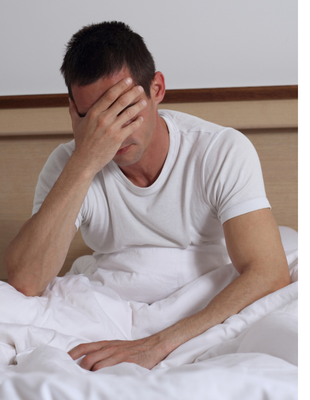
There can be considerable overlap, which is one reason self-diagnosis can be difficult.
Following trauma, you might experience:
feeling unusually alert or easily startled
avoiding particular people, places or conversations
emotional numbness or feeling detached
intrusive memories, dreams or upsetting reminders
difficulty sleeping or concentrating
irritability, anxiety or a sense that something bad might happen
With PTSD, these reactions form a persistent and clinically significant pattern.
Diagnostic frameworks differ somewhat in how they organise symptoms, but PTSD commonly involves re-experiencing the trauma, avoidance of reminders, and an ongoing sense of threat, with symptoms causing meaningful distress or disruption to everyday life. The U.S. National Center for PTSD also notes that symptoms generally need to persist beyond the first month for PTSD to be considered.
A qualified professional needs to make that assessment. A checklist online can identify reasons to seek further support, but it cannot confirm a diagnosis.
Why can trauma make you feel unsafe when the danger has already passed?
Because protective responses do not necessarily disappear the moment an event ends.
After trauma, your brain and body may become more alert to anything that resembles the original danger. A particular smell, tone of voice, location, type of conflict or unexpected sound can suddenly create a strong physical reaction.
You may intellectually know you are safe while your body feels as though it needs to prepare for something.
Psychologist Dr Susan Albers describes hypervigilance this way:
“It’s your brain’s way of protecting you by scanning the environment for signs of danger and being extremely aware of your surroundings.”
— Dr Susan Albers, Cleveland Clinic psychologist.
Hypervigilance can occur with PTSD, but it is not exclusive to PTSD. Cleveland Clinic notes that it can also appear alongside anxiety and other difficulties.
This is another reason a single symptom cannot tell you whether you have PTSD.
When might it be worth asking for a formal PTSD assessment?

You do not need to diagnose yourself before seeking help.
However, a formal assessment may be worth considering when trauma-related symptoms have continued for more than a month, feel severe, or are having a noticeable effect on your daily life.
That might include persistent nightmares or intrusive memories, significant avoidance, feeling constantly on guard, emotional detachment, or struggling to function at work, at home or in relationships. The National Center for PTSD advises considering further assessment when trauma-related thoughts and feelings remain very distressing or begin disrupting everyday life.
The Mind Space counsellors can help you explore what you are experiencing and recognise when your needs may require a different level or type of professional support. They do not diagnose PTSD.
If PTSD is suspected, an appropriately qualified mental health professional can conduct a formal assessment and discuss evidence-based clinical options.
How can trauma counselling help if you do not have PTSD?
You do not need to meet diagnostic criteria for counselling to be worthwhile.
A traumatic experience can affect relationships, boundaries, trust, sleep, self-confidence and your ability to feel calm even when it does not result in PTSD.
At The Mind Space, trauma counselling provides a confidential, supportive space to explore the emotional impact of difficult experiences. The practice describes its trauma counselling service as helping clients process past trauma, regain emotional control and restore a stronger sense of balance.
Trauma counselling may support you with:
recognising triggers and understanding your reactions
learning grounding and emotional-regulation strategies
making sense of avoidance, shutdown or hypervigilance
rebuilding trust in yourself and your boundaries
exploring how past experiences are affecting current relationships
developing healthier ways of coping with overwhelm
The aim is not to force you to retell everything before you are ready. A trauma-informed counselling approach should place emotional safety, choice and pacing at the centre of the process.
What if you have already been diagnosed with PTSD?

If you already have a PTSD diagnosis, it is important to distinguish supportive counselling from specialist clinical PTSD care.
Research-based guidelines recommend specific trauma-focused clinical interventions for PTSD, including Cognitive Processing Therapy, Prolonged Exposure and EMDR. The U.S. National Center for PTSD identifies these among the most strongly recommended approaches for PTSD, while WHO also highlights trauma-focused cognitive approaches and EMDR.
Those interventions require appropriately qualified and trained professionals.
The Mind Space provides counselling rather than specialist PTSD treatment. Counselling may still offer valuable support around coping, relationships, grounding, emotional regulation and day-to-day wellbeing, but it should not replace specialist care where that is clinically indicated.
This distinction is important because responsible trauma support includes knowing when another professional needs to become part of your care.
Does talking about trauma always mean going into every painful detail?
No.
People sometimes avoid counselling because they fear they will immediately be asked to describe the most painful experience of their life in detail.
Trauma-informed support should not work that way.
A counsellor can begin by understanding how you are feeling now: what triggers you, what happens in your body, what feels difficult in relationships, where you feel stuck, and what would help you feel more steady.
You remain allowed to have boundaries around what you share.
For some people, the first part of trauma counselling may focus much more on safety, emotional regulation and understanding patterns than on the traumatic experience itself.
Support does not become more effective simply because disclosure happens faster.
Is trauma counselling available in Parkhurst, Fourways and online across South Africa?

Yes. The Mind Space Counselling offers trauma counselling in Johannesburg, with appointments available through its Parkhurst / Parktown North and Fourways / Douglasdale locations, alongside online counselling across South Africa. Its current services include trauma counselling as well as individual, abuse, grief, family and relationship counselling.
Online trauma counselling may be particularly helpful if leaving home feels difficult, you live outside Johannesburg, or beginning from a familiar environment feels more manageable.
Whether counselling happens in person or online, you do not need to know whether the right label is “trauma” or “PTSD” before reaching out.
You can begin with what you are noticing.
Frequently Asked Questions
Can you experience trauma without having PTSD?
Yes. Trauma responses are common after frightening or overwhelming experiences, but most people exposed to trauma do not develop PTSD.
Can a counsellor diagnose PTSD?
The Mind Space counsellors do not diagnose PTSD. If your symptoms suggest that a formal assessment may be useful, an appropriately qualified healthcare professional should assess you.
How long after trauma can PTSD develop?
Symptoms often begin soon after the event, but they can sometimes emerge months or even years later. PTSD diagnosis also requires consideration of how long symptoms have persisted and how significantly they are affecting daily functioning.
Can you have PTSD without having obvious flashbacks?
Yes. PTSD can involve different combinations of symptoms. Re-experiencing may include nightmares or intrusive memories rather than dramatic flashbacks, alongside avoidance and heightened alertness.
Can I start trauma counselling even if I am unsure what I am experiencing?
Yes. You do not need a diagnosis before seeking counselling for distress after a difficult experience. Counselling can help you understand what you are noticing and whether additional professional assessment would be appropriate.
Key Takeaways
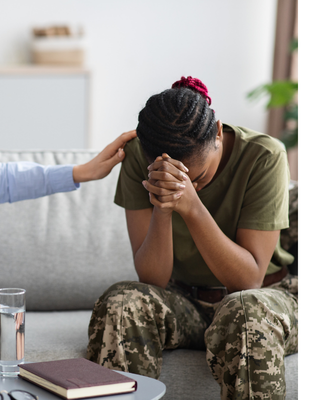
Trauma and PTSD are not the same thing. Trauma is broader; PTSD is a specific diagnosable mental health condition.
Most people who experience trauma do not develop PTSD.
Symptoms such as hypervigilance, avoidance, numbness and intrusive memories can occur after trauma without necessarily meeting PTSD criteria.
The Mind Space provides trauma counselling, not PTSD diagnosis or specialist clinical PTSD treatment.
Trauma counselling can support coping, triggers, emotional regulation, boundaries and rebuilding a sense of safety.
Support is available in Parkhurst, Fourways, Johannesburg, and online across South Africa.
Ready to take the next step?
If something you experienced still seems to follow you into the present — through fear, triggers, emotional shutdown, hypervigilance or difficulty feeling safe — you do not need to know exactly what to call it before asking for support.
At The Mind Space Counselling, trauma counselling offers a warm, confidential and non-judgemental space to understand what you are carrying, develop practical coping tools and consider what kind of support may be appropriate for you.
📍 In-person counselling available in Parkhurst / Parktown North, Johannesburg
📍 In-person counselling available in Fourways / Douglasdale, Johannesburg
🌐 Online trauma counselling available across South Africa
Explore The Mind Space counselling services
You can also contact The Mind Space directly via WhatsApp for a confidential conversation.


